DSGNJAVA
The Invisible Architecture of Experience
September 16, 2025
Foundations of Experience
Before experience can be designed, it must be understood. Experience is not something that exists independently in the world; it is something that emerges within the human mind. It is shaped by perception, coloured by emotion, and remembered through meaning. The foundations of Experience Design therefore lie not in tools or methods, but in how humans sense, feel, interpret, and remember.
This section examines three essential pillars that underpin all experiences: perception and emotion, the distinction between experience and usability, and the layered dimensions through which experiences mature from passive information to active performance.
The Role of Perception and Emotion
Experience begins not with interaction, but with perception. Before a user clicks, touches, listens, or responds, they perceive. Perception is the lens through which reality is filtered, interpreted, and given significance. It is subjective, contextual, and deeply personal.

Perception as Construction, Not Reception
Human beings do not passively receive reality. Instead, the brain actively constructs experience based on:
- Sensory input
- Prior knowledge
- Cultural context
- Expectations
- Emotional state
Two people can encounter the same product, space, or interface and have fundamentally different experiences — not because the design changed, but because their perceptual frameworks differed.
This has profound implications for design. It means that experiences cannot be controlled absolutely. They can only be orchestrated. Designers create conditions for perception, not outcomes.
Emotion as the Anchor of Experience
If perception is the gateway, emotion is the anchor. Emotion determines what we pay attention to, what we remember, and what we assign value to.
Neuroscience has consistently shown that:
- Emotion precedes cognition
- Memory is emotion-weighted
- Decision-making is emotionally driven, later justified rationally
In other words, people do not remember what something did — they remember how it made them feel.
Experience Design therefore operates not at the level of instruction, but at the level of emotional resonance. Clarity reduces anxiety. Rhythm creates comfort. Surprise generates delight. Consistency builds trust. These emotional responses are not decorative by-products; they are core functional outcomes of experience.
Meaning Emerges from Emotional Interpretation
Emotion alone is not enough. What elevates an experience is when emotion leads to meaning — a sense of relevance, alignment, or personal significance.
For example:
- A smooth checkout flow reduces friction (usability)
- A reassuring tone of voice builds trust (emotion)
- Feeling respected as a customer creates loyalty (meaning)
Experience Design, at its foundation, is about designing emotional pathways that allow meaning to emerge naturally, rather than forcing reactions.

Differentiating Experience from Usability
One of the most persistent misunderstandings in contemporary design is the conflation of experience with usability. While related, they are fundamentally different in scope, intent, and outcome.
Usability Solves Problems
Usability is concerned with efficiency, clarity, and task completion. It asks questions such as:
- Can users complete their goal?
- Is the interface intuitive?
- Are errors minimized?
Usability removes friction. It reduces confusion. It ensures that systems function as intended. It is essential — but it is not sufficient.
A usable product can still be:
- Emotionally flat
- Forgettable
- Meaningless
Usability answers the question: Can this be used?
Experience Creates Value
Experience, by contrast, addresses a deeper question: What does this interaction feel like, and why does it matter?
Experience encompasses:
- Emotional tone
- Sensory quality
- Narrative coherence
- Contextual relevance
- Memory and aftertaste
An experience can be intentionally slow, challenging, or even uncomfortable — if that discomfort serves meaning. A museum exhibit, a luxury ritual, or a solemn memorial would fail if designed purely for efficiency.
Why the Distinction Matters
Over-optimizing for usability often results in homogenization. Interfaces become interchangeable. Brands lose personality. Interactions feel transactional.
Experience Design reintroduces:
- Character over neutrality
- Emotion over optimization
- Narrative over process
This is why the most memorable experiences are not always the fastest or simplest — they are the most resonant.
Usability ensures access.
Experience ensures attachment.
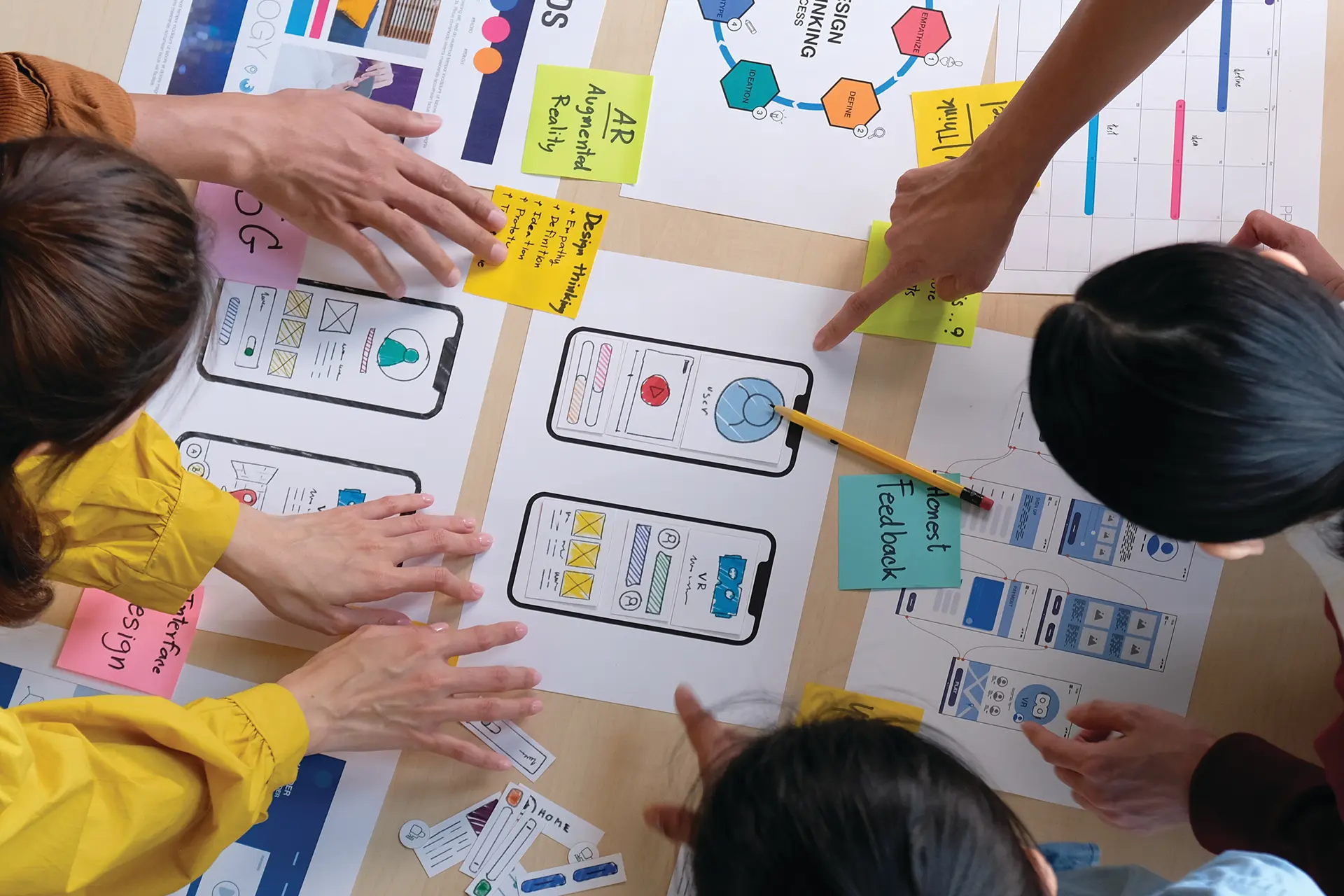
The Five Dimensions of Experiences
- From Information to Performance.
Nathan Shedroff’s most influential contribution to Experience Design is his articulation of five dimensions of experience, arranged as a progression from passive reception to active participation. These dimensions are not mutually exclusive; rather, they represent increasing depth and richness of engagement.
-
Information
This is the most basic level of experience — passive awareness. The user receives data, content, or signals without direct engagement.
Examples include:
- Reading text
- Viewing an image
- Watching a video
Information alone rarely creates meaning. It informs, but it does not involve. However, it is foundational — without clarity at this level, deeper engagement collapses.
-
Interaction
At this level, the user begins to engage actively. They click, scroll, navigate, or manipulate elements.
Interaction introduces:
- Agency
- Feedback
- Cause-and-effect understanding
This is where most digital design stops. While interaction increases engagement, it does not automatically create emotional connection.
-
Sensation
Sensation introduces the body into experience. It engages the senses beyond sight:
- Sound
- Touch
- Spatial awareness
- Motion
- Materiality
Sensation deepens immersion and strengthens memory. It transforms interaction from cognitive to embodied.
A well-designed physical space, a tactile interface, or a carefully composed soundscape operates at this level.
-
Relationship
Here, experience becomes emotional and personal. The user forms a relationship with the system, brand, or environment.
Characteristics include:
- Trust
- Familiarity
- Emotional alignment
- Identification
This is where loyalty is built. The experience begins to feel for me, not just usable by me.
-
Performance
At the highest level, the user becomes a participant or co-creator. They perform within the experience.
Examples include:
- Customization
- Social participation
- Expression
- Contribution
- Identity signaling
Performance transforms users from consumers into collaborators. Meaning is strongest at this level because the experience becomes part of the user’s self-expression.
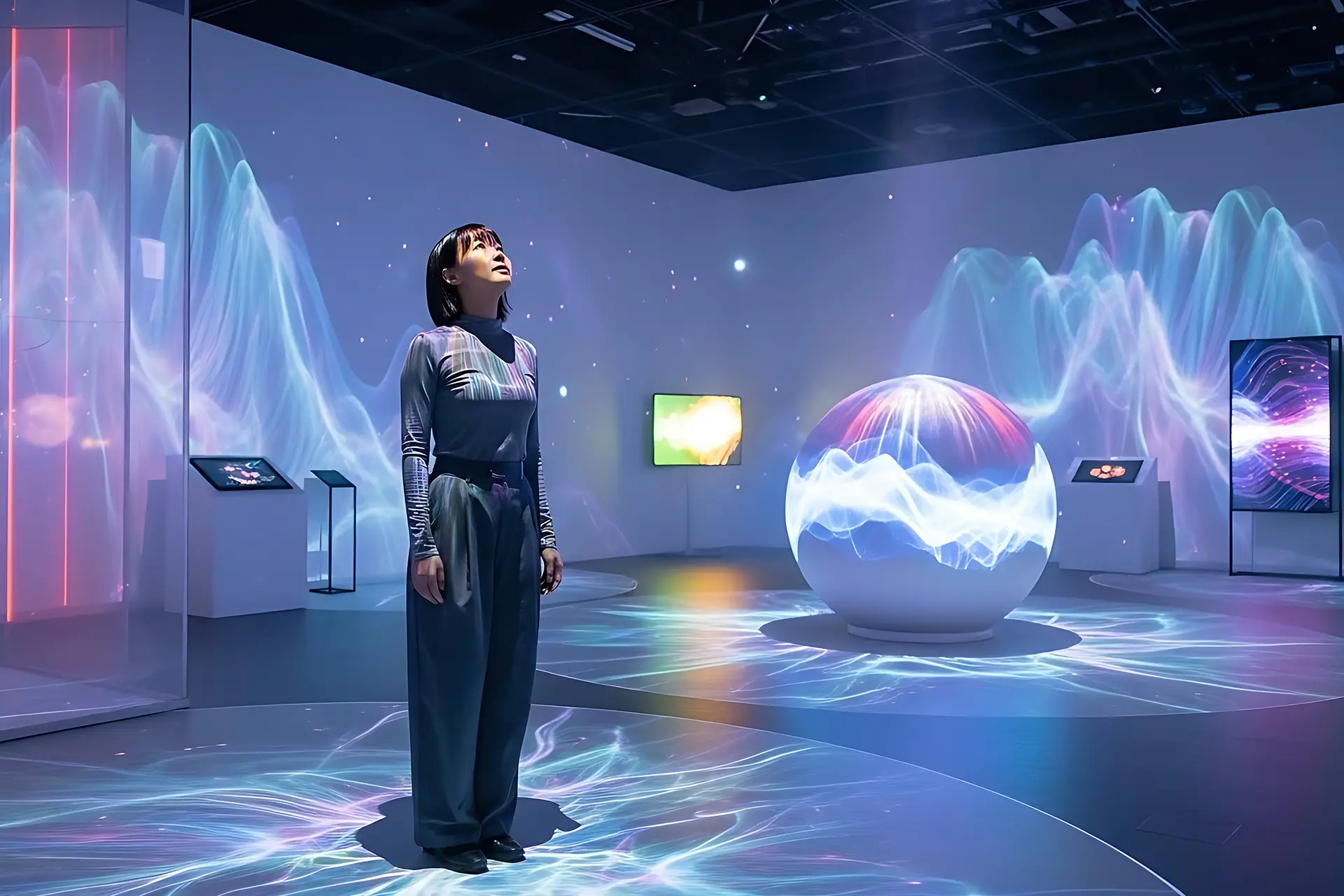
Why These Foundations Matter
Understanding these foundations changes how designers approach their work. Instead of asking:
- “How do we make this easier?”
They begin to ask:
- “What does this experience mean?”
- “How does it make people feel?”
- “What kind of relationship are we creating?”
- “What role does the user play in this experience?”
Experience Design, when grounded in perception, emotion, and layered engagement, becomes a discipline of human significance, not just interaction efficiency.
Transition Forward
With these foundations established, the next step is to explore how meaning becomes the central objective of Experience Design — and how designers can intentionally craft experiences that resonate beyond utility and into identity, memory, and purpose.